New here? Start with these
 ETFs & investing How to Start Investing in 2026 — A Beginner's Guide How to start investing in Canada in 2026. Step-by-step guide to opening an account, choosing ETFs, and building a portfolio from zero.
 Accounts & tax TFSA vs RRSP vs FHSA: Which Account First? TFSA vs RRSP vs FHSA in 2026: contribution limits, tax treatment, withdrawal rules, and a simple order for using them, with Bobbie & Prieto.
 FIRE & retirement What Is the FIRE Movement? Financial Independence Retire Early Explained The Financial Independence, Retire Early movement explained: the philosophy, the math, the different FIRE types, and how to start.
Accounts & tax
 TFSA or RRSP for VFV, XDIV, and XDG? Where to hold VFV, XDIV and XDG: XDIV in a taxable account, VFV and XDG in a TFSA or RRSP, all three in one TFSA if that is all you have. 2026 limits and examples.
 TFSA Explained: How a Tax-Free Savings Account Works How a TFSA works in 2026: the $7,000 limit, $109,000 of total room since 2009, withdrawals, over-contributions, what to hold, and how growth compounds inside.
 Withholding Tax in Canada: What It Is and Where You'll Meet It Withholding tax in Canada is tax taken before you're paid: from paycheques, RRSP withdrawals and foreign dividends. How each works and when you get it back.
 CDIC vs CIPF: What Protects Your Money in Canada? CDIC covers deposits up to $100,000 per category; CIPF, up to $1 million per account category if a dealer fails. What each protects, and what neither does.
 How Investments Are Taxed in Canada: Interest, Dividends & Gains Interest, eligible dividends, foreign income and capital gains are taxed differently in Canada. Plain-English examples and the current 50% inclusion rate.
 Norbert's Gambit & Currency Risk: A Canadian Investor's Guide Norbert's Gambit explained step by step, plus hedged vs unhedged ETFs. Learn when converting CAD to USD cheaply is worth the effort for Canadian investors.
 US Withholding Tax for Canadians: RRSP vs TFSA The US withholds 15% on dividends paid to Canadians, except in an RRSP. See which accounts are hit, why ETF structure matters, and if fixing it is worth it. TFSA vs RRSP vs FHSA: Which Account First? TFSA vs RRSP vs FHSA in 2026: contribution limits, tax treatment, withdrawal rules, and a simple order for using them, with Bobbie & Prieto.
 FHSA Explained: The Free RRSP Room Nobody Told You About How the First Home Savings Account actually works, the $40,000 lifetime limit, and the loophole that makes it worth opening even if you never buy a house.
ETFs & investing
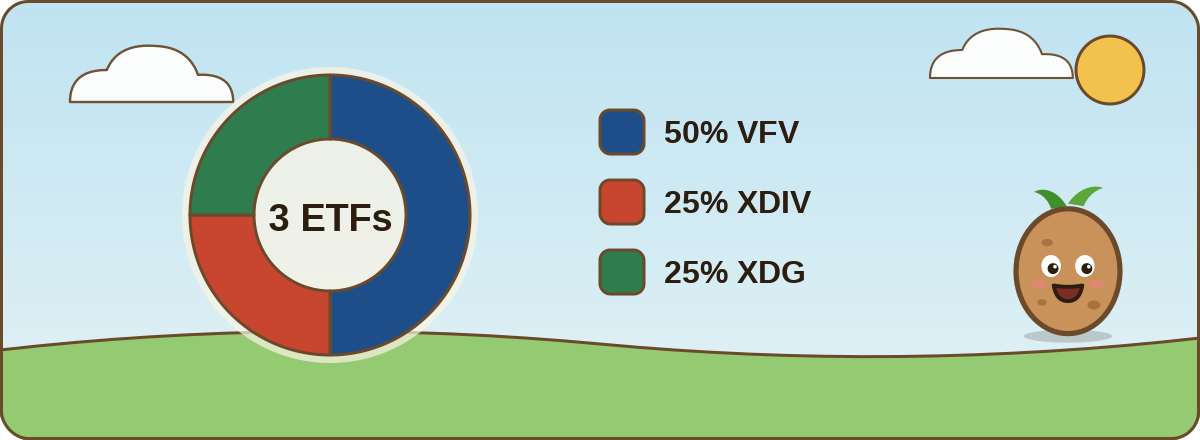 VFV, XDIV, XDG: The 50/25/25 ETF Portfolio and Its Income A 50/25/25 VFV, XDIV and XDG portfolio: what each fund pays, the blended yield and fee, how big it must be to live on, taxes by account, and rebalancing.
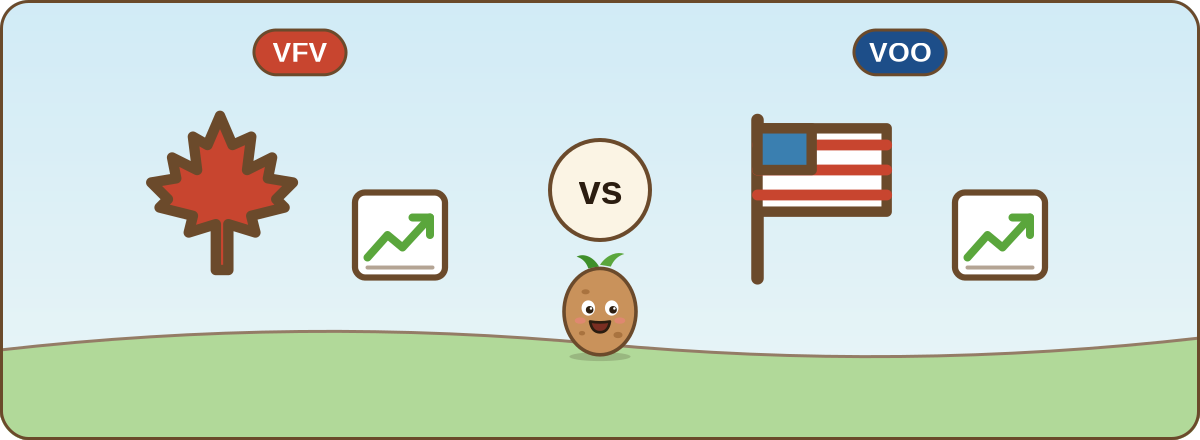 VFV vs VOO: CAD or US-Listed S&P 500 ETF? VFV vs VOO and other US-listed S&P 500 ETFs: currency conversion costs, the RRSP withholding tax exemption, and T1135 reporting rules.
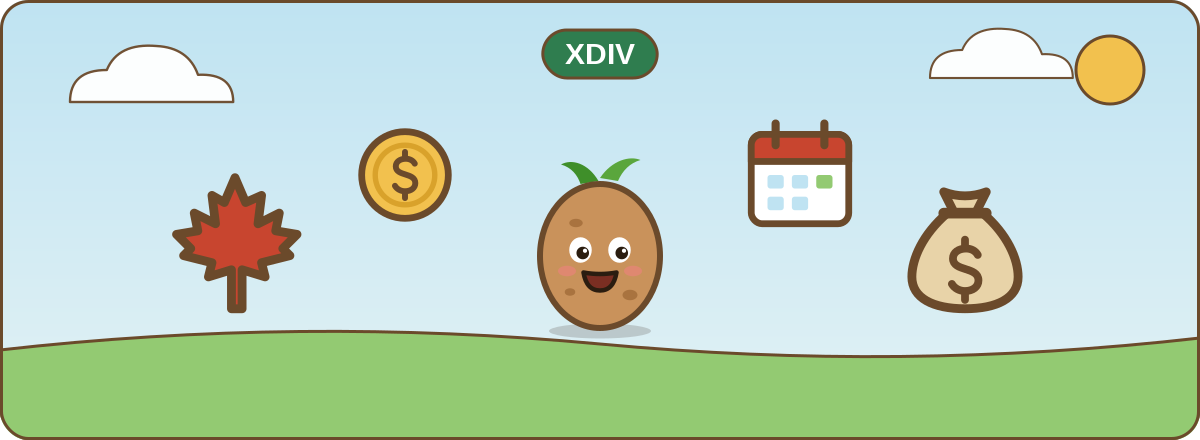 XDIV ETF Explained: iShares Canadian Dividend Fund What XDIV holds, why it's concentrated in just 20 Canadian stocks, its 0.11% MER, ~3% yield, and how the dividend tax credit applies.
 XDG ETF Explained: iShares Global Dividend Fund What XDG holds across 367 global companies, its 0.22% MER, ~2.8% yield, and the foreign withholding tax wrinkle every holder should know.
 XDIV's Top 10 Holdings, Explained: Canada's Big Dividend Stocks Manulife, Royal Bank, TD, Sun Life, CNQ, Suncor, Power Corp, Fortis, Pembina and Restaurant Brands: what each XDIV top holding does and why it is in the fund.
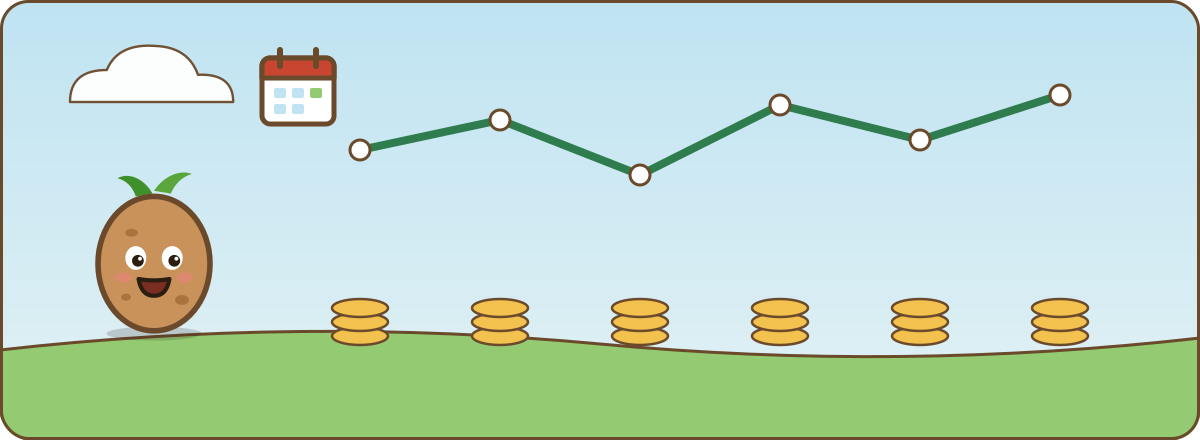 Dollar-Cost Averaging Explained You don't need to predict the market to build wealth. Dollar-cost averaging is the simple habit behind most successful long-term investors, explained plainly. How to Start Investing in 2026 — A Beginner's Guide How to start investing in Canada in 2026. Step-by-step guide to opening an account, choosing ETFs, and building a portfolio from zero.
 Index Funds vs ETFs — What's the Difference? Index funds vs ETFs: the key differences, which is better for Canadian investors, and how to choose between them for your FIRE portfolio.
 VFV vs XDIV: Growth vs Dividend Income ETF VFV vs XDIV side by side: holdings, MER, and yield compared — and which one fits your FIRE timeline better, growth now or income later.
 XDIV vs XDG: Canadian vs Global Dividend ETFs XDIV vs XDG compared: 20 holdings vs 367, currency exposure, and the tax difference between Canadian eligible dividends and foreign income.
 XEQT vs VEQT: Which All-in-One Equity ETF? XEQT vs VEQT compared: MER, country weights, distribution frequency, and which one-ticket 100% equity ETF fits your TFSA or RRSP in 2026.
 Every Cash-Generating Asset: The Complete List (2026) Every asset that pays you cash, from GICs and dividend stocks to rentals, royalties and businesses: yields, risk, work and tax in Canada. Free printable PDF.
 All-in-One ETFs in Canada: VEQT, XEQT, VGRO & More All-in-one ETFs hold a whole diversified portfolio in one ticker. Compare growth, balanced, and conservative options in Canada and learn the trade-offs.
 GICs, Bonds & HISA ETFs in Canada: The Stability Side GIC vs bond vs HISA ETF in Canada: how each works, interest rate and credit risk, how interest is taxed, and where each one fits in a portfolio.
 Canadian Asset Classes Explained: A Beginner's Guide Stocks, bonds, GICs, REITs and cash for Canadian investors: what each does, how it's taxed, and where to start, explained by Bobbie & Prieto.
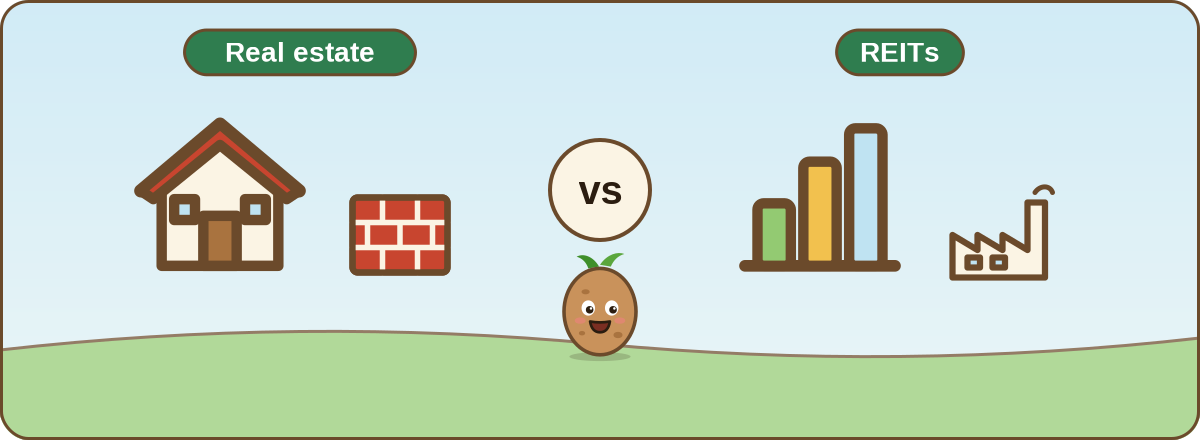 Real Estate vs REITs: What Canadian Investors Should Know Your home, a rental property, or a REIT ETF? Compare leverage, diversification, liquidity, and tax treatment for Canadian real estate investors.
 Why Warren Buffett Recommends Index Funds Buffett spent his career picking individual stocks — and still tells most people to skip stock-picking. Here's the $1 million bet that proves his point.
 Warren Buffett's Investing Philosophy, Explained Warren Buffett turned a paper route and a few hundred saved dollars into a great fortune. His investing approach, in plain English.
 VFV ETF Explained: Vanguard's S&P 500 for Canadians What VFV actually holds, its 0.09% MER, real dividend yield, and the RRSP tax quirk every Canadian investor should know before buying.
FIRE & retirement
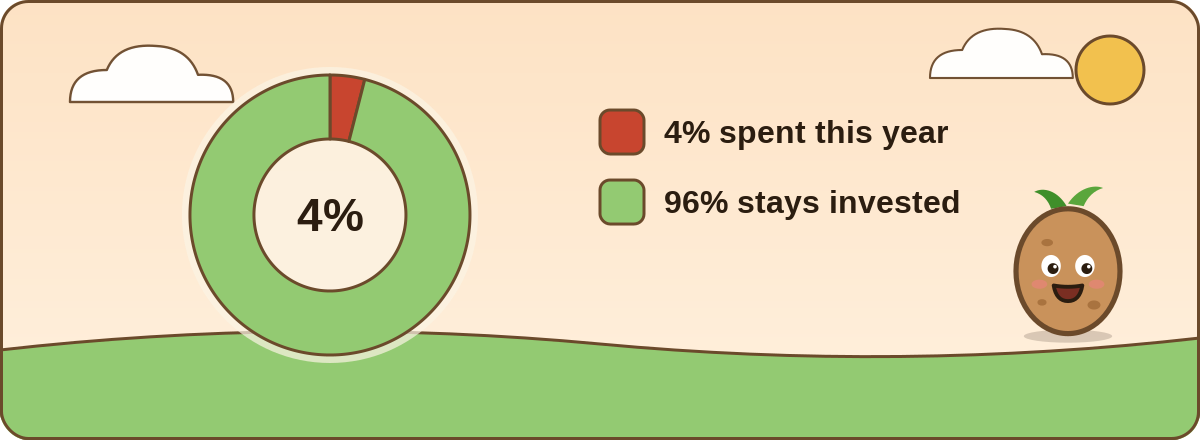 The 4% Rule in 2026 — Does It Still Work? Is the 4% safe withdrawal rate still valid? We examine the original Trinity Study, updated research, and what it means for FIRE planning in 2026.
 Compound Interest Explained Simply What is compound interest and why does it matter? A clear, simple explanation of how compound interest works, with real examples and a calculator.
 Can You Achieve Financial Independence by 30? Is financial independence by age 30 possible? The math, the reality, and the paths people actually take to achieve FIRE before 30.
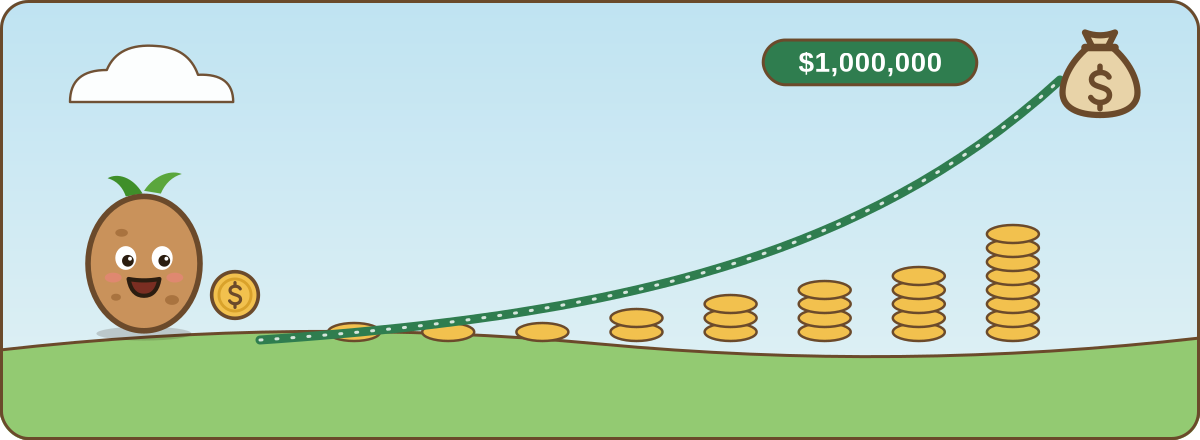 How Long Does It Take to Reach $1 Million? The math behind reaching your first million dollars. How monthly contributions, investment returns, and starting age all affect your timeline to $1M.
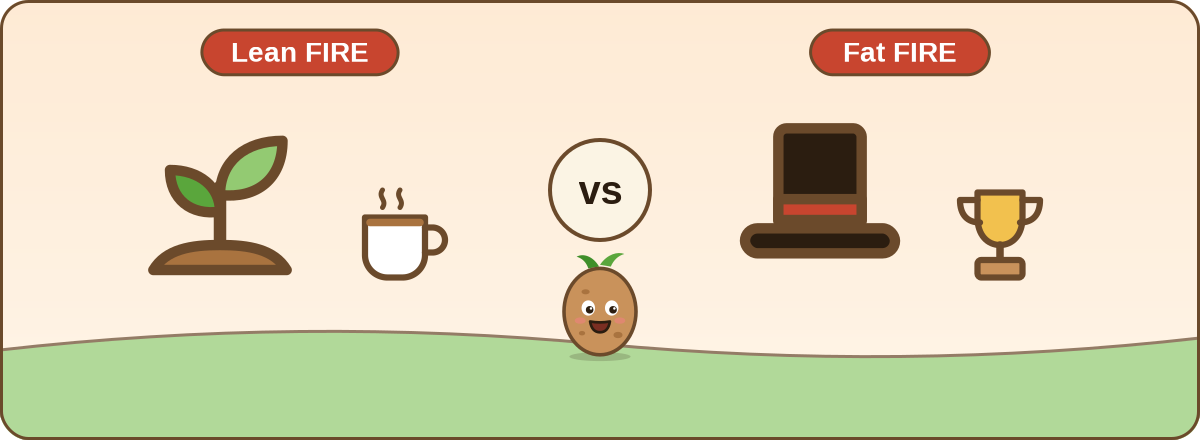 Lean FIRE vs Fat FIRE — Which Is Right for You? Lean FIRE vs Fat FIRE explained. The real tradeoffs between retiring early on a minimal budget vs retiring with financial abundance. What Is the FIRE Movement? Financial Independence Retire Early Explained The Financial Independence, Retire Early movement explained: the philosophy, the math, the different FIRE types, and how to start.
 Barista FIRE Explained: The Middle Path Between Full FIRE and Burnout Not quite retired, not stuck in a 9-to-5 either. How Barista FIRE works, the math behind it, and why it looks different for Canadians than Americans.
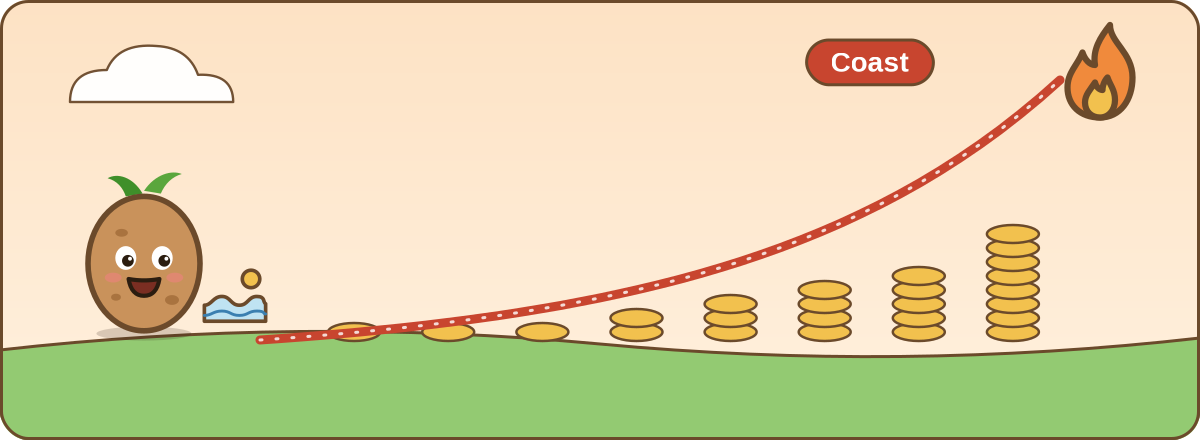 Coast FIRE Explained: How Much You Need to Stop Saving Forever The exact number where compound growth alone carries you to retirement without another dollar saved — and the simple formula to find yours.
 Net Worth by Age in Canada: Are You Ahead, Behind, or On Track? Real Statistics Canada figures for net worth by age group, why the median beats the average, and why the FIRE crowd should ignore the benchmark anyway.
Saving & spending
 Debt Avalanche vs Snowball: Which Pays Off Debt Faster? Debt avalanche vs snowball on $25,500 of Canadian debt: which is cheaper, which feels faster, and why the gap can be smaller than you think.
 What Is a Good Savings Rate? What savings rate should you aim for? We break down what's average, what's good, and what's exceptional — and how each one affects your retirement timeline.
 How to Increase Your Savings Rate Practical, proven ways to increase your savings rate to 40%, 50%, or even 70% — without misery. From housing to income to the psychology of saving.
 Insurance vs Self-Insurance: What to Insure and What to Cover Yourself When to buy insurance and when to self-insure with savings: a simple test, a risk matrix, and a Canadian guide to car, home, life, disability and more.
 Spending Money on a Better Environment: When It Pays Off Gyms, coworking, communities, courses, a better neighbourhood: when paying for a better environment pays off, when it is lifestyle creep, and a 5-question test.
 Lifestyle Creep: The Silent Killer of Your Savings Rate Every raise disappears into a nicer apartment, a nicer car, more takeout — and your savings rate never moves. How lifestyle creep works and how to outrun it.
 Money Dysmorphia: Why You Feel Broke When Your Numbers Are Fine Many young adults feel behind financially even when their numbers are fine. What money dysmorphia is and how to fix it with real math.
 Should You Pay Off Debt or Invest First? Extra money this month — debt or investments? Here's a simple, honest framework with real interest-rate math for deciding what comes first.
Money history & ideas
 Benjamin Franklin Was the First FIRE Person Benjamin Franklin retired at 42 on passive income, centuries before FIRE had a name: how he built it, his savings-rate thinking, and what it means today.
 Benjamin Franklin's Compound Interest Experiment — The Will That Proved Everything Benjamin Franklin's will left £1,000 each to Boston and Philadelphia to compound for 200 years: the exact terms, what the funds reached, and the math at different rates.
 Time Is Money — What Franklin Really Meant and the FIRE Interpretation 'Time is money' means an idle hour costs what you could have earned in it. First printed in 1719, made famous by Franklin in 1748. What it means for money today.
 The Barter Myth: Why Economists Taught a Story That Never Happened For 250 years, economics textbooks taught that money replaced barter. Anthropologists never found a single society where that actually happened.
 How Banks Actually Create Money — According to the Bank of England Banks don't lend out your deposits. A 2014 Bank of England paper confirmed it: loans create new money, not the reverse.
 The Nixon Shock: What Happened When the Dollar Left Gold In August 1971, Nixon ended the dollar's link to gold. Since then $100 has lost about 88% of its purchasing power. What it means for savers.
 Why Do Central Banks Target 2% Inflation? (And Who Benefits) 2% inflation sounds harmless, but over 35 years it halves your savings' buying power. Why central banks chose 2%, and who it favours.
 A Penny Saved Is a Penny Earned — What It Really Means What 'a penny saved is a penny earned' really means, why it is more powerful than it sounds, and how to apply it to FIRE investing.
 Benjamin Franklin's Best Money Quotes — Explained for 2026 Benjamin Franklin's best personal finance quotes, with modern context, the math behind them, and how each applies to FIRE investing.
 Poor Richard's Almanack — Every Money Lesson, Explained The best money lessons from Benjamin Franklin's Poor Richard's Almanack, connected to modern calculators and FIRE tools.
Money games
 Board Games That Teach Money: 7 Picks From Age 5 to Adult Seven board games that teach money, from counting coins at 5 to stocks and mergers for adults: what each one teaches, what it gets wrong, and house rules.
 Games That Teach Investing: Idle Games, Simulators and Board Games Idle games, stock market simulators and board games that teach how investing works, from compound growth to risk, and what each one gets wrong.
 Money Games for Teens and Students in Canada Free games that teach Canadian teens and students budgeting, credit, taxes and investing: what each one teaches, who it suits, and which follow Canadian rules.
No guide matches that search. Try a shorter word, or browse the glossary.